

After surgery, you will likely wear a surgical bra or compression garment for the first few weeks, which helps with support and can reduce discomfort from swelling and movement. While numbness around the nipple and incision areas is normal and typically resolves over time, some patients may experience temporary or, rarely, long-term changes in sensation.
The Surgical Procedure and Pain Management
Breast reduction surgery typically involves removing excess breast tissue, including fat and skin, while a patient is under general anesthesia. Before you wake up, your surgical team will provide injectable, longer-lasting pain medications and anesthesia so you won’t have immediate pain after your procedure.
After 24-48 hours, when the pain medications and anesthesia have worn off, you will probably want to take your regular preferred over-the-counter pain reliever like ibuprofen or acetaminophen. Stronger pain medications, like narcotics, are rarely needed.
The surgical procedure is also designed and tailored to your unique needs and physiology to provide the best surgical results and the easiest possible recovery. There are a few different techniques used in breast reduction surgery, each bringing benefits depending on your anatomy and impacting your healing and recovery:
| Technique | Implications For Healing |
Anchor or Inverted-T Incision
|
|
Vertical or Lollipop Incision
|
|
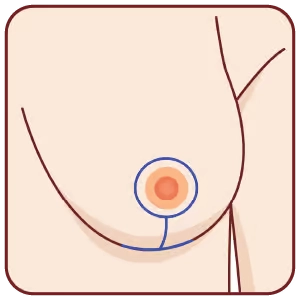
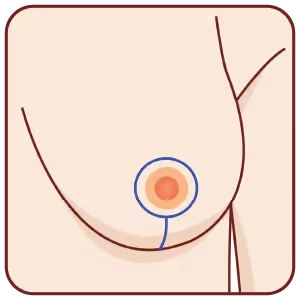
What Medications Are Used to Manage Breast Reduction Pain?
Medications vary from patient to patient, but breast reduction recovery may include:
- Medication used during surgery: General anesthesia keeps you asleep, and your surgical team may use a longer-acting local anesthetic or injectable medication for early pain control.
- Prescription pain medication: Your surgeon may prescribe a stronger medication for short-term use if needed. Not every patient needs prescription pain medicine for long.
- Over-the-counter medication: Some patients transition to acetaminophen or a surgeon-approved anti-inflammatory medication within the first few days.
- Other medications: Do not start aspirin, ibuprofen, naproxen, or another NSAID unless your surgeon confirms that it is appropriate for you.
Medication timing depends on your procedure, health history, bleeding risk, and other medicines you take. Take all medication exactly as directed. Do not combine products that contain acetaminophen, and ask your care team before adding any over-the-counter medication.
Tips to Make Your Recovery More Comfortable
A few simple steps can reduce recovery discomfort:
- Wear a support bra: A surgical or compression bra can limit movement, support healing tissue, and reduce pulling around the incisions.
- Apply ice only as directed: If your surgeon approves ice, wrap the pack in a cloth and use it for short periods. Never place ice directly on the skin or on areas with reduced sensation.
- Rest with your upper body supported: Pillows can make it easier to sleep and reduce pressure when getting in and out of bed.
- Walk gradually: Begin with short, easy walks and increase activity slowly. Stop if movement causes increasing pain or swelling.
- Ask for help: Having someone assist with meals, errands, childcare, and household tasks can help you avoid lifting and overexertion.
- Follow your postoperative instructions: Your surgeon will provide detailed instructions specific to your situation.
Schedule a Consultation to Learn More
If you are still wondering, “How painful is breast reduction surgery?”, a personal consultation can help you understand what to expect based on your anatomy, surgical goals, and health history. Dr. Harris can explain the recommended technique, pain-management plan, recovery timeline, and ways to stay comfortable as you heal.
Reach out to our office to schedule your consultation to learn more about breast reduction surgery and recovery. You can also contact us by phone/text.
Frequently Asked Questions
Is breast reduction surgery painful?
You should not feel pain during the operation because breast reduction is usually performed under general anesthesia. After surgery, most patients experience soreness, tightness, tenderness, swelling, or heaviness rather than severe pain.
When is pain worst after breast reduction?
Pain is usually most noticeable during the first 24 to 72 hours and throughout the first week. It should gradually improve each day. Movement, swelling, and bruising can make the chest feel more uncomfortable during this early period.
When can I switch to over-the-counter pain medication?
Some patients transition to over-the-counter medication within 24 to 48 hours or during the first several days. The timing is different for everyone, so switch only when your surgeon says it is safe. Ask specifically which products and doses are appropriate for you.
When should I call the surgeon?
Call your surgeon for uncontrolled or worsening pain, increasing redness or swelling, warmth, drainage, heavy bleeding, fever, or an opening incision.

Stephen U. Harris
| MD FACS
Dr. Stephen U. Harris is a board-certified plastic surgeon and a recognized expert in breast reduction and reconstruction surgeries, having performed thousands of these procedures in his career. When it comes to patient care, his philosophy is that every surgery should improve his patients' overall quality of life, not just their appearance. Dr. Harris stays up-to-date on all the latest advancements in breast augmentation, reconstruction, and reduction and is a recognized innovator in the field. In fact, he was the first surgeon at Good Samaritan Hospital to offer primary prepectoral implant breast reconstruction, as well as secondary prepectoral revision surgery.
Dr. Harris also serves as Chief of Plastic Surgery at Good Samaritan Hospital in West Islip, New York, and is an active staff surgeon (and former Chief of Plastic Surgery) at South Shore University Hospital in Bay Shore, New York.