
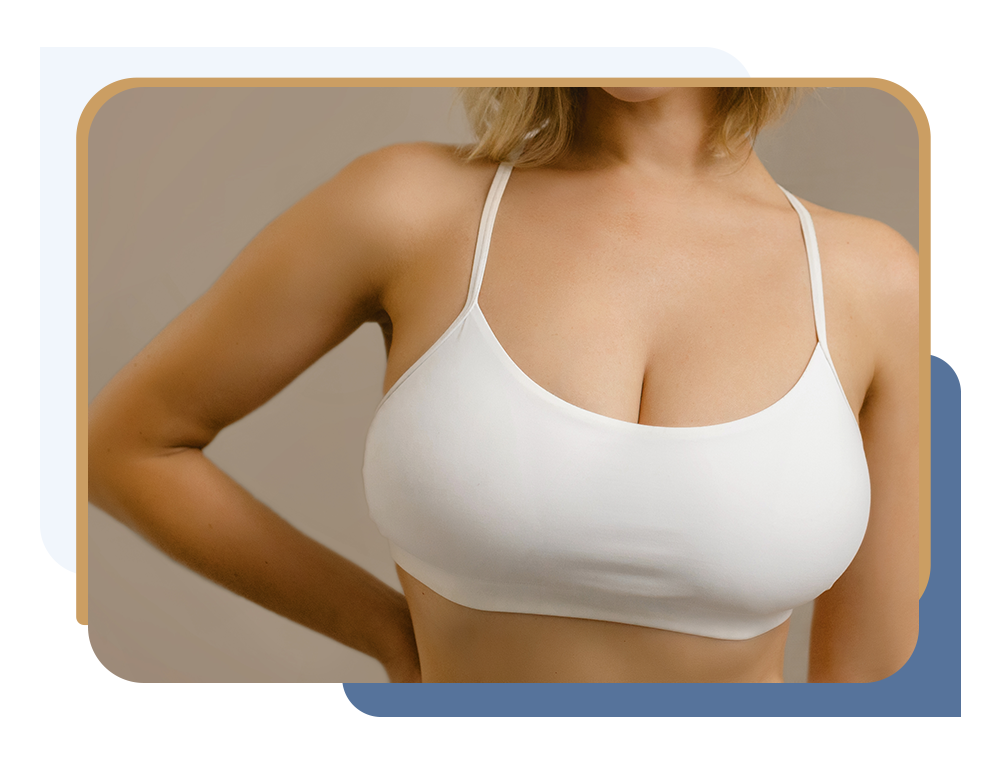
When your breasts are so large that they cause ongoing pain and health problems, you may have a condition called macromastia. The good news? Breast reduction surgery can help, and insurance often covers it when it’s medically necessary.
Let’s explore what macromastia really means, how to know if you have it, and most importantly, how to get insurance to pay for the macromastia breast reduction surgery that could change your life.
A Detailed Look at Macromastia
Let’s take a quick look at what macromastia really means and how it affects patients:
| Macromastia Explained | |
|---|---|
| Definition | A condition where the breasts are excessively large, often causing physical discomfort such as neck, shoulder, or back pain. |
| Common Symptoms | Chronic shoulder, neck, and back pain; rashes under the breasts; difficulty finding supportive bras or clothing; posture problems; limitations in physical activity. |
| Causes | Related to genetics, hormonal factors, weight; may develop during puberty or pregnancy. |
| Emotional Impact | Self-consciousness, unwanted attention, and emotional distress related to body image. |
| When to Seek Help | If breast size is causing daily pain, skin irritation, or difficulty exercising. |
Macromastia vs. Normal Large Breasts
The key difference between naturally large breasts and macromastia is the impact on your health. Many people have large breasts without experiencing significant problems, but with macromastia, breast size actively interferes with living comfortably.
| Differences Between Macromastia and Normal Large Breasts | |
|---|---|
| Normal Large Breasts | Macromastia |
| May cause minor discomfort | Causes chronic, ongoing pain |
| Doesn’t limit daily activities | Restricts exercise and movement |
| No skin problems | Frequent rashes or infections |
| Can find supportive bras that help | Even the best bras don’t provide relief |
Macromastia Breast Reduction
A macromastia breast reduction (also known as reduction mammaplasty) is a surgical procedure designed to remove excess breast tissue, fat, and skin to achieve a more comfortable and proportional breast size.
The goal isn’t just to make the breasts smaller, it’s to relieve the physical strain caused by overly large breasts while maintaining a natural, balanced appearance.
A reduction mammaplasty covers three general steps::
- Reshapes the breast
- Repositions the nipple for a lifted look
- Removes excess tissue to achieve the size that best suits your frame.
Full recovery typically takes 1-2 weeks, but the results (both physical and emotional) can be life-changing. Many patients report immediate relief from back and neck pain, improved mobility, and a renewed sense of confidence.
Does Insurance Cover Macromastia Breast Reduction?
Because macromastia is considered a medical condition (not just cosmetic), most major insurance providers offer coverage if you meet their specific requirements. Insurance companies don’t use bra sizes to determine coverage, focusing on two main factors instead:
1. Amount of Tissue to Be Removed
Most insurance plans require the surgeon to remove a minimum amount of breast tissue for the procedure to be considered medically necessary. Common requirements include:
- 200-350 grams (7-12 ounces) per breast for smaller body frames
- 500+ grams (18+ ounces) per breast for larger body frames
Some plans use the Schnur Sliding Scale, which calculates requirements based on your body surface area. The surgeon will consider your goals in terms of how much tissue to remove, but also must preserve enough tissue for the nipple to survive and ensure a good shape.
2. Symptom Severity and Documentation
You need to prove that your large breasts are causing significant health problems that haven’t improved with conservative treatment. Have a doctor document your macromastia symptoms, which may include back, neck, or shoulder pain, rashes, or posture issues.
You’ll also need to show that you’ve tried non-surgical treatments (like physical therapy or special bras), and that these efforts haven’t provided relief from your symptoms. It’s best to have at least six months of history documenting your symptoms and the treatment methods you’ve previously tried.
Cup Size Guidelines (General Reference)
While not used by insurance companies, these general guidelines can give you an idea of your chances of qualifying for coverage for your macromastia breast reduction:
| Cup Size and Insurance Coverage | ||
|---|---|---|
| Cup Size Range | Likelihood of Qualifying | Notes |
| DD-DDD/F | Probable, depends on frame size | Need documented proof of symptoms |
| G-H and larger | More likely to qualify | Usually meets tissue removal requirements |
| I and above | Very likely to qualify | Almost always meets medical criteria |
Remember: A petite person with DD breasts might qualify if they have severe symptoms, while someone with a larger frame might need to be a G or H cup to meet requirements.
How to Qualify for Macromastia Breast Reduction
If you’re considering macromastia breast reduction, here’s how to get started:
1. Schedule a consultation with a board-certified plastic surgeon
They’ll evaluate your health, discuss your symptoms, and take precise measurements to determine whether you meet clinical and insurance criteria.
2. Document your symptoms
Keep a record of your pain, posture problems, rashes, or any other discomfort linked to your breast size. The more detail you can provide, the stronger your case for medical necessity.
3. Gather medical records
Bring notes from your primary care doctor, chiropractor, or physical therapist, especially if you’ve tried other treatments.
4. Submit an insurance pre-authorization request
Your surgeon’s office will typically handle this step, submitting all necessary forms, photos, and documentation.
5. Prepare for surgery and recovery
Once approved, your surgeon will discuss what to expect before, during, and after surgery. Most patients need a week off from work and physical activity before resuming normal routines.
Contact Harris Plastic Surgery to Get Started
Living with macromastia can be painful and limiting, but it doesn’t have to be permanent. A macromastia breast reduction can provide lasting relief from physical strain and help restore balance to your body and lifestyle.
If you suspect your breast size is causing pain or affecting your daily life, call Harris Plastic Surgery to schedule a consultation. We specialize in helping patients navigate the insurance approval process and achieve the relief they deserve.
Reach out to our office to schedule your consultation to learn more. You can also contact us by phone/text.

Stephen U. Harris, MD FACS
Dr. Stephen U. Harris is a board-certified plastic surgeon and recognized expert in breast reduction and reconstruction surgeries, having performed thousands in his career. When it comes to patient care, his philosophy is that every surgery should improve his patient’s overall quality of life, not just their appearance. Dr. Harris stays up-to-date on all the latest advancements in breast augmentation, reconstruction, and reduction and is a recognized innovator in the field. In fact, he was the first surgeon at Good Samaritan Hospital to offer primary prepectoral implant breast reconstruction, as well as secondary prepectoral revision surgery.
Dr. Harris also serves as Chief of Plastic Surgery at Good Samaritan Hospital in West Islip, New York, and is an active staff surgeon (and former Chief of Plastic Surgery) at South Shore University Hospital in Bay Shore, New York.