
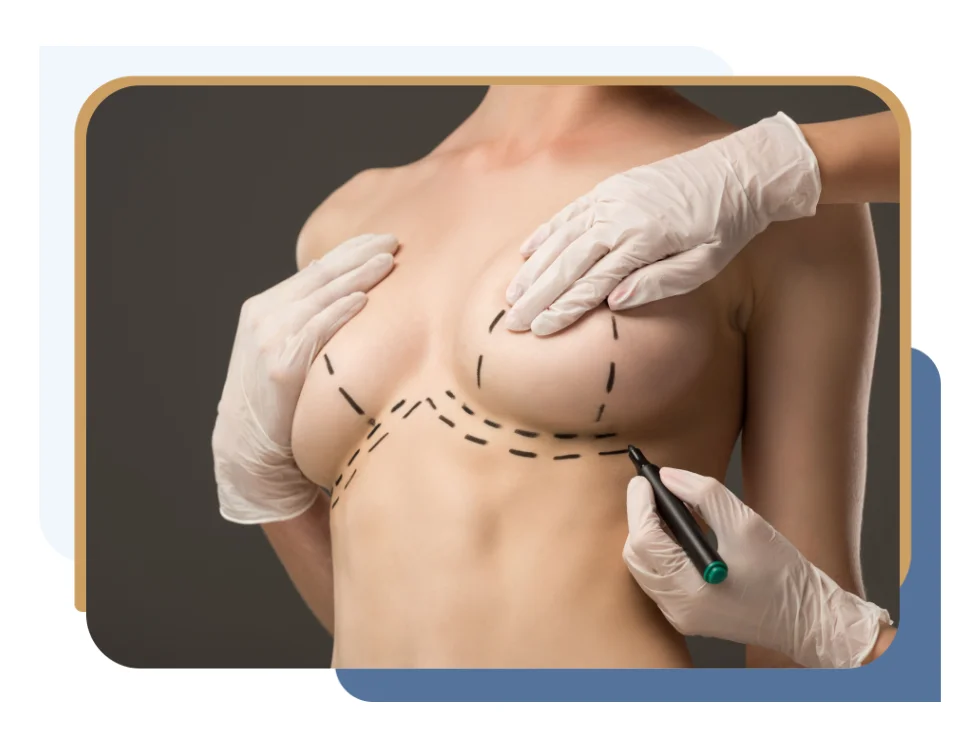
Breast reduction surgery (reduction mammoplasty) continues to rank among the most common breast procedures performed worldwide. According to the American Society of Plastic Surgeons, over 70,000 procedures are completed annually in the United States alone.
While the benefits of this procedure are well documented, understanding how long the results can last is important for patients considering this life-changing procedure. Let’s take a look at breast reduction long-term results and what patients can expect in the years after their surgery.
Breast Reduction Long-Term Results: Satisfaction Rates Over Time
Multiple studies tracking patients for extended periods reveal consistently high satisfaction rates. The data shows that breast reduction delivers lasting benefits that remain stable, even decades after surgery.
| Years Since Surgery | Overall Satisfaction | Patients Happy with Surgery | Symptom Relief |
| 5-10 years | 4.5 / 5.0 | 93% | 75% |
| 10-15 years | 4.0 / 5.0 | 91% | 82% |
| 15+ years | 4.0 / 5.0 | 91% | 82% |
| 10-30 years (under 25 at surgery) | 67/100 | N/A | N/A |
| 12-year average | 5.0 | 93% | 78.6% |
Source 1 | Source 2 | Source 3
The vast majority of patients (91-93%) report being happy with their decision to undergo breast reduction regardless of how many years have passed since the procedure.
In a study exploring the satisfaction rates of breast reduction patients who were under 25 at the time of surgery, researchers found that these young patients reported satisfaction scores of 67 out of 100 for breast satisfaction, 10-30 years after their surgery.
That score was significantly higher than a control group score of 57 for women who never had surgery, demonstrating that breast reduction for minors and young adults provides lasting benefits that persist for decades.
How Long Do Breast Reductions Last? Size Stability Over Time
One of the most common questions patients ask is whether breast reduction results will last, particularly as weight fluctuates or hormonal changes occur with aging.
One study on this topic identified a significant difference in the proportions of patients who reported breast size increases since surgery: 40% in the 5-10 year group, 70% in the 10-15 year group, and 51% in the 15+ year group. Similarly, weight gain showed significant differences between groups.
| Years Since Surgery | Patients Reporting Breast Enlargement | Patients Reporting Weight Gain | Average Weight Change | Improved Exercise Ability |
| 5-10 years | 40% | 13% | Minimal | 63% |
| 10-15 years | 70% | 42% | Moderate increase | 55% |
| 15+ years | 51% | 41% | Moderate increase | 74% |
However, despite 40-70% of patients reporting some breast enlargement over time, overall satisfaction remained high (4.0-4.5 out of 5) across all time periods. The researchers noted that the majority of breast size increases paralleled weight gain rather than true tissue regrowth.
Critically, only 1.6% of patients (two patients) required a second reduction mammoplasty, and both patients who underwent repeat procedures attributed their recurrent macromastia symptoms to weight gain after the first surgery, rather than a problem with the procedure itself.
Symptom Relief Durability: Long-Term Results
Most patients undergoing breast reduction surgery are hoping to remove symptoms caused by very large breasts, including back pain, neck pain, shoulder grooving, and rashes. Understanding how long symptom relief lasts is crucial for patients considering the procedure.
| Symptom Category | Pre-Surgery Prevalence | Resolved 5-15 Years Post Surgery | Symptom Recurrence |
| Back pain | 80-94% | 75-82% | 19% (5 yrs) to 28% (15 yrs) |
| Shoulder grooving | 49-90% | 75-82% | Similar to back pain |
| Rash/Intertrigo | 18-48% | 75-82% | Similar to back pain |
| Posture problems | 21-56% | 75-82% | Similar to back pain |
In one study, all patients reported physical symptoms prior to surgery, with the most common being back pain (affecting 80-94% of patients) and shoulder grooving (49-90%).
5-10 years after surgery, 75% of patients reported complete or mostly resolved symptoms, while both the 10-15 year and 15+ year groups reported 82% complete or mostly resolved symptoms. The researchers noted that 71.4% of all patients stated there was no recurrence in symptoms.
In a separate study, 78.6% of participants stated that their symptoms were completely or mostly resolved, with the most common preoperative symptoms being back pain (80%) and shoulder grooving (49%).
Breast Reduction Complications and Revision Rates Over Time
Understanding when complications and revisions occur helps patients know what to expect during their recovery and long-term results. Research shows a clear distinction between early complications and late revisions:
| Time Post-Surgery | Issue or Procedure | Rate/Prevalence | Primary Causes |
| 0-30 days | Acute complications | 6.4-9.2% | Wound healing, infection, minor surgical issues |
| 30 days-1 year | Early revisions | 1.9% (reoperation) | Asymmetry correction, wound complications |
| 5-15+ years | Secondary reduction | 1.6% | Weight gain, breast regrowth |
While many patients experience no issues at all, most complications occur within the first 30 days following surgery. Affecting less than 10% of patients, these issues are usually minor wound healing issues or infections that resolve with topical treatments, without requiring further medical or surgical intervention.
In very rare cases, patients require a second breast reduction procedure years after their initial surgery. Of 124 patients tracked for 5-15+ years, only 1.6% required a second reduction mammoplasty, and both patients who underwent repeat procedures reported significant weight gain as the cause of breast regrowth.
Ready to Talk to a Board-Certified Plastic Surgeon?
Breast reduction long-term results show that this procedure is safe and effective. A majority of patients experience relief from back pain, shoulder grooving, and other symptoms that lasts for decades after their procedure.
If you’d like to discuss your symptoms with a board-certified plastic surgeon and learn what breast reduction could do for you, contact our office to schedule a consultation. You can also reach us by phone/text.

Stephen U. Harris, MD FACS
Dr. Stephen U. Harris is a board-certified plastic surgeon and recognized expert in breast reduction and reconstruction surgeries, having performed thousands in his career. When it comes to patient care, his philosophy is that every surgery should improve his patient’s overall quality of life, not just their appearance. Dr. Harris stays up-to-date on all the latest advancements in breast augmentation, reconstruction, and reduction and is a recognized innovator in the field. In fact, he was the first surgeon at Good Samaritan Hospital to offer primary prepectoral implant breast reconstruction, as well as secondary prepectoral revision surgery.
Dr. Harris also serves as Chief of Plastic Surgery at Good Samaritan Hospital in West Islip, New York, and is an active staff surgeon (and former Chief of Plastic Surgery) at South Shore University Hospital in Bay Shore, New York.