

Many patients who have lost a significant amount of weight come to us for body contouring, which helps to complete their weight loss journey and gives a more toned appearance by removing excess skin from the stomach, thighs, arms, or other areas. During their consultation, they almost always have questions about what their post-op recovery will look like.
We know that planning for surgery can feel overwhelming, so we’re here to walk you through exactly what to expect. Below, we outline body contouring recovery time after weight loss, including how long it takes, how to manage swelling, and recognizing the potential warning signs that may require a call to your surgeon.
Body Contouring Recovery Time After Weight Loss
Recovery from body contouring after weight loss is a process that unfolds over several weeks, with most people returning to work and some activities 1–2 weeks after surgery. The specific timeline depends on which procedures you have, how much tissue is removed, and your overall health going into surgery. Every person’s journey is unique, but here’s an idea of what you can expect:
| Recovery Phase | Timeframe | What You Can Expect | Activity Level |
| Immediate Post-Op | First 48 hours | Moderate discomfort, swelling, bruising; drains may be in place | Limited bed rest with short walks around the house |
| First Week | Days 3-7 | Pain decreasing; fatigue; compression garments 24/7 | Light walking; no bending, lifting, or straining |
| Second Week | Days 8-14 | Reduced pain; drains removed; increased mobility | Light daily activities; many return to desk work |
| Weeks 3-4 | Days 15-28 | Noticeable energy improvement; swelling decreasing | Normal daily routines; avoid heavy lifting |
| Weeks 5-6 | Days 29-42 | Visible results emerging; normal mobility restored | Light exercise allowed (low-impact cardio) |
| Weeks 7-8 | Days 43-56 | Significant swelling reduction; more defined contours | Full activity; final results start to become visible |
The First 48 Hours: Managing the Initial Recovery Period
The first two days after body contouring surgery are the most intensive part of your recovery. It’s completely normal to experience swelling, bruising, tightness, and discomfort; these are all signs that your body is doing exactly what it should. Your surgical team will provide pain medication to keep you comfortable and detailed instructions to follow.
You may have surgical drains in place to prevent fluid buildup. We know these small tubes might feel a bit awkward at first, but they collect excess fluid as your body heals and play an important role in reducing swelling and preventing complications. Many patients find them less bothersome than expected once they get used to them.
Week One: Rest, Healing, and Finding Your Rhythm
Pain typically peaks around days 2 to 3, then gradually improves. By the end of the first week, many patients find they can transition to over-the-counter pain relievers. Swelling and bruising will be most pronounced during this time, though the compression garments you’re wearing help manage the swelling by applying consistent, gentle pressure to the treated areas.
If you have drains, they’ll usually be removed 5–10 days after your surgery, depending on the output. It’s normal to feel tired for a few more days, so keep resting! You’ll have a follow-up appointment during this week so your surgeon can check your incisions, monitor your progress, and address any concerns.
Weeks Two Through Six: Gradual Return to Activity
By the second week, the initial discomfort has typically decreased significantly. Most people can return to desk work, though you’ll still need to avoid any physically demanding activities. You can typically resume driving once you’re off narcotic pain medications and can react normally.
After six weeks, most of the acute recovery phase is behind you. Swelling has reduced noticeably, your incisions are healing beautifully, and your results are becoming more visible. Your surgeon may clear you to incorporate light exercise like walking, stationary cycling, or gentle pool swimming.
How Recovery Varies by Procedure Type
Abdominoplasty (Tummy Tuck)
An abdominoplasty is one of the more extensive procedures, with full recovery typically taking up to 6 weeks. The first week is the most restrictive, as you’ll be unable to stand fully upright for a few days while your abdominal muscles heal. Most people return to work after 2 weeks and resume exercise after 3 to 4 weeks.
Lower Body Lift
This comprehensive procedure addresses the abdomen, hips, buttocks, and outer thighs in one surgery. Recovering after a body lift is similar to abdominoplasty, with 3 to 4 weeks needed before full activity resumes.
Arm Lift (Brachioplasty)
This is generally less demanding than lower body procedures. Most people return to work within a week and resume normal arm activities after 2 to 3 weeks. However, avoiding heavy lifting and overhead activities is important during initial healing.
Thigh Lift (inner or medial)
Recovery typically takes 4 to 6 weeks, with restrictions on walking and leg movements during the first week or so. Inner thigh lifts can make walking uncomfortable initially, so plan for extra time to rest.
Breast Procedures
Recovery varies by procedure type but generally ranges from 2 to 6 weeks. Breast lifts and reductions typically require 4 to 6 weeks before unrestricted activity, while augmentation alone may have a shorter timeline.
Multiple procedures performed simultaneously require longer recovery times than single procedures. Your surgeon will provide a personalized timeline based on your specific surgical plan and will be there to support you through every phase.
Warning Signs: When to Call Your Surgeon
Most recoveries progress smoothly, but knowing when to call your surgeon helps catch potential problems early. Contact your surgical team immediately if you experience:
Signs of Infection
- Fever higher than 100.5°F (38°C)
- Increasing redness, warmth, or swelling around incisions
- Pus or foul-smelling drainage from incision sites
- Red streaks extending from incisions
Excessive Bleeding or Drainage
- Soaking through multiple dressings in a short time
- Bright red blood from incisions
- Sudden increase in drain output after it had decreased
Circulation or Clot Concerns
- Sudden severe pain or swelling in one leg
- Chest pain or difficulty breathing
- Calf pain, warmth, or redness (signs of a potential blood clot)
Wound Healing Issues
- Incisions that separate or open
- Unusual or worsening pain in one specific area
- Areas of your skin that feel hard, extremely tender, or unusually firm
Complete Your Journey With Harris Plastic Surgery
If you’ve achieved significant weight loss and are considering body contouring to complete your journey, the next step is scheduling a consultation with an experienced plastic surgeon. At Harris Plastic Surgery, we’ll listen to your concerns, learn which procedures would best address your needs, and develop a personalized surgical and recovery plan. This is your opportunity to ask questions, express your goals, and start envisioning your future.
Ready to learn more about how body contouring can help you complete your transformation? Contact Harris Plastic Surgery to set up your consultation and discuss body contouring recovery time after weight loss.
FAQs
How long will I need to take off work after body contouring surgery?
Most people with desk jobs can return to work within 1 to 2 weeks after surgery, while those with physically demanding jobs typically need more time off. If you’re having multiple procedures or extensive surgery, you may need more time. Discuss your specific job requirements with your surgeon to plan appropriately.
When can I drive again after surgery?
You can typically resume driving once you’re off narcotic pain medications, can react normally, and feel comfortable operating the vehicle safely. For most people, this happens around 5 days to 2 weeks after surgery, though the timeline varies depending on your procedure.
How long do I need to wear compression garments?
Most surgeons recommend wearing compression garments for 3 to 4 weeks after body contouring surgery. You’ll typically wear them continuously for the first week, then transition to daytime-only wear. Follow your surgeon’s specific guidance, as recommendations vary.
Will I have significant scarring from body contouring?
Body contouring does result in permanent scars, which is the necessary trade-off for removing excess skin. Surgeons place incisions strategically to minimize visibility and hide them within natural body contours or clothing lines when possible. Scars fade and flatten significantly over 12 to 18 months.
Can I shower after body contouring surgery?
Most surgeons allow showering within 2 to 5 days after surgery, once drains are secured and incisions are evaluated. You’ll need to follow specific instructions about how to protect your incisions and drains while bathing, and avoid soaking in tubs, pools, or hot tubs until your surgeon gives clearance.
When will I see my final results?
While you’ll notice immediate improvement in your body contour, final results become apparent around 3 to 6 months after surgery as swelling completely resolves and tissues settle. Scars continue to mature for 12 to 18 months, becoming less noticeable over time.
What happens if I gain or lose weight after body contouring?
Maintaining a stable weight is crucial for preserving your surgical results. Significant weight gain can stretch your skin and compromise your contours, while additional weight loss may create new areas of loose skin. Most surgeons emphasize the importance of reaching your goal weight and maintaining it for at least 6 to 12 months before surgery.
How do I prepare my home for recovery?
Set up a comfortable recovery space with everything you need within easy reach. Stock up on loose, comfortable clothing that’s easy to put on, arrange for help with daily tasks, prepare meals in advance or arrange delivery, and place commonly used items at waist height to avoid reaching or bending. Create a recovery area with pillows, entertainment, medications, and supplies.
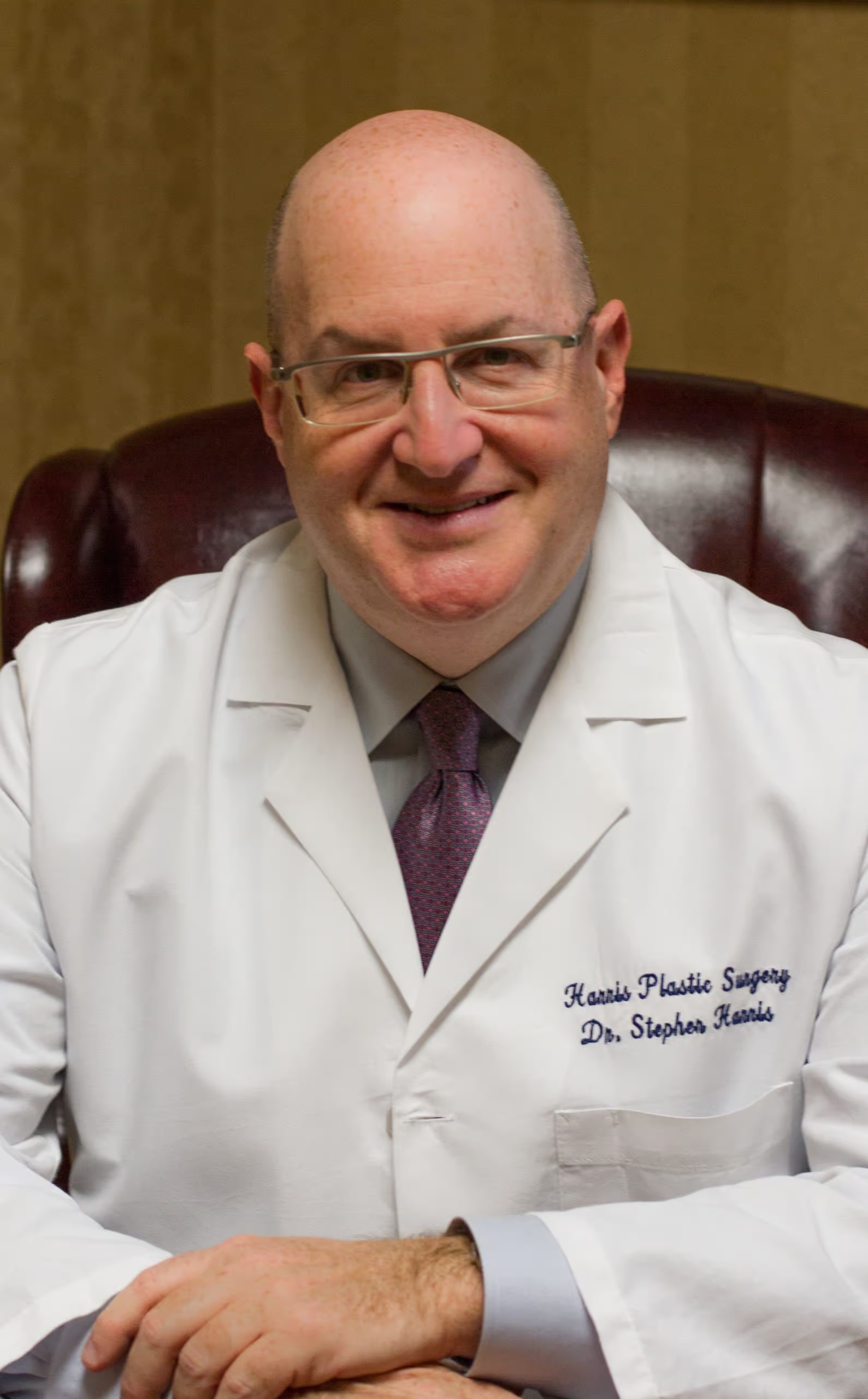
Stephen U. Harris, MD FACS
Dr. Stephen U. Harris is a board-certified plastic surgeon and recognized expert in breast reduction and reconstruction surgeries, having performed thousands in his career. When it comes to patient care, his philosophy is that every surgery should improve his patient’s overall quality of life, not just their appearance. Dr. Harris stays up-to-date on all the latest advancements in breast augmentation, reconstruction, and reduction and is a recognized innovator in the field. In fact, he was the first surgeon at Good Samaritan Hospital to offer primary prepectoral implant breast reconstruction, as well as secondary prepectoral revision surgery.
Dr. Harris also serves as Chief of Plastic Surgery at Good Samaritan Hospital in West Islip, New York, and is an active staff surgeon (and former Chief of Plastic Surgery) at South Shore University Hospital in Bay Shore, New York.