
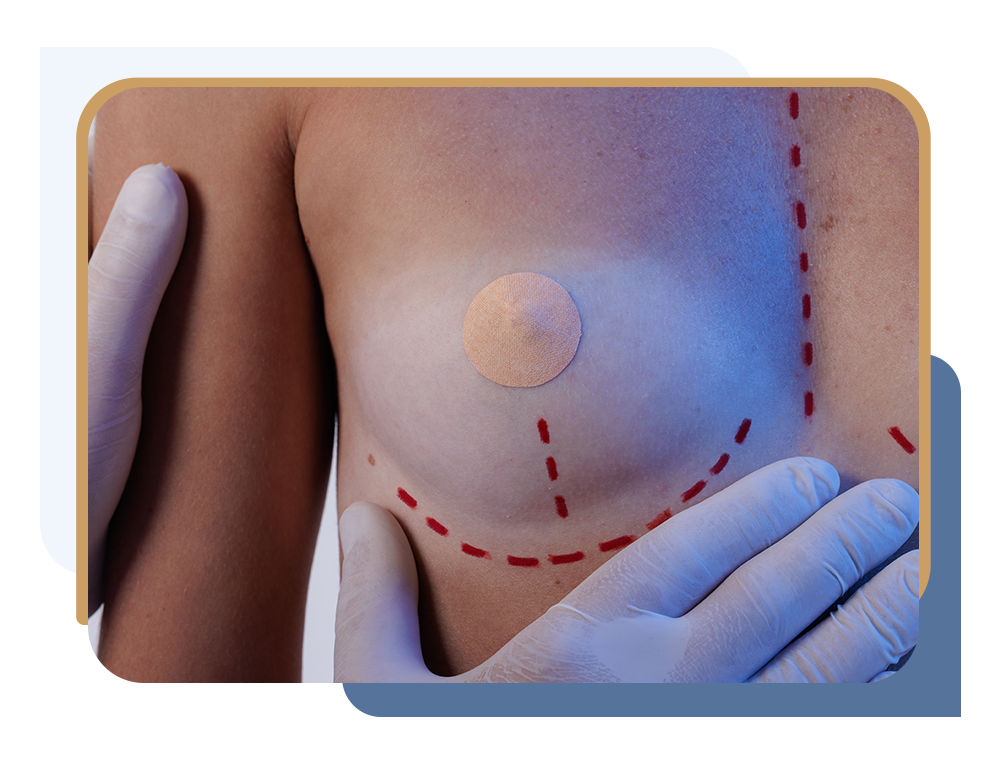
Breast reduction surgery comes with one guaranteed side effect: scars. Thankfully, with the right care, your scars can fade dramatically over time. Whether you’re fresh out of surgery or months into healing, there are ways to help them look smoother, lighter, and less noticeable.
Below, we’ll walk through the best scar treatments for breast reduction and how to set realistic expectations for the healing process.
Breast Reduction Incision Types and Scar Patterns
Breast reduction scars form where your surgeon makes incisions to remove excess tissue. The pattern depends on whether your surgeon uses a vertical “lollipop” incision or the traditional “anchor” method. Both techniques also allow surgeons to strategically place incisions so scars fall along natural breast contours, making them less conspicuous.
The scars typically appear as thin lines that may look lighter or darker than your surrounding skin. Initially, they might appear red or purple, but gradually fade over the course of a year or more. Many women find they can easily hide their scars under clothing, including swimwear.
What’s the Best Scar Treatment for Breast Reduction?
Here’s a quick comparison of popular scar-minimizing methods to help you understand what each one does and when you might want to use it.
| Treatment Type | Best For | When to Start | Pros | Cons |
|---|---|---|---|---|
| Silicone sheets or gels | Newly formed surgical scars | After incisions fully close (usually 2–3 weeks) | Most effective, easy to use, good research support | Must be used daily for best results |
| Scar creams (vitamin E, onion extract, etc.) | Mild color or texture concerns | After incisions fully close | Affordable, accessible | Some formulas have mixed evidence |
| Massage therapy | Thick, tight, or raised scars | 3–4 weeks post-op (with surgeon approval) | Improves flexibility and softens scar tissue | Must be done consistently |
| Laser therapy | Redness, raised scars, or older scars | At least 3 months post-op | Works quickly, effective on tough scars | More expensive, requires a specialist |
| Microneedling | Older or textured scars | 6–12 months post-op | Stimulates collagen, improves texture | Multiple sessions needed |
| Sunscreen (SPF 30+) | Preventing darkening | After incisions fully close | Protects long-term appearance | Must be reapplied often |
Silicone Sheets and Gels
If you only choose one scar treatment, make it silicone. It has decades of research behind it and is recommended by plastic surgeons worldwide. Silicone helps hydrate and protect the scar, which can:
- Reduce redness
- Flatten raised scars
- Improve overall texture
Once your surgeon says your incisions are healed enough (usually around week 2–3), you can start applying silicone sheets (worn for 8–12 hours a day) or silicone gel (applied 1–2 times daily). Results build gradually over several months, so stay patient and treat your scars consistently.
Scar Creams and Oils
Scar creams can help moisturize the skin and improve the appearance of mild scars, but they’re rarely as effective as silicone, and not all have strong evidence behind them. Popular ingredients include:
- Vitamin E
- Onion extract (like Mederma)
- Hyaluronic acid
- Plant oils and butters
If you’re choosing a scar cream, pick something gentle and fragrance-free, look for hydrating formulas, avoid anything that irritates your skin, and don’t apply it until your incisions are fully closed.
Scar Massage
Many patients underestimate the power of scar massage, especially if you pair it with silicone treatments. It helps:
- Break up tight tissue
- Improve blood flow
- Prevent “ropey” or raised scars
Use gentle pressure in circular, vertical, and horizontal motions for 5 minutes a day. You can usually begin around 3–4 weeks post-op, but always follow your surgeon’s instructions.
Laser Therapy
Laser treatments may be worth considering if you’re dealing with:
- Bright red scars
- Raised or thickened scars
- Uneven texture
- Older scars that haven’t improved
These treatments are done by dermatologists or plastic surgeons and often require several sessions. They’re more expensive but can make a dramatic difference, especially for larger, more noticeable scars.
Microneedling
Microneedling uses tiny needles to stimulate collagen, a key ingredient in smoother, softer scars. It’s often used for:
- Textured scars
- Stretched-looking scars
- Older scars that need a boost
Most people need 3–6 sessions spaced a month apart. It’s not typically the first treatment right after surgery but can be valuable later in your recovery.
Sunscreen
Sun exposure can darken scars and make them more noticeable. Even if you think you’re rarely shirtless outdoors, UV rays find a way in through windows, thin clothing, even indirect exposure. For best results:
- Use SPF 30+ daily
- Reapply if sweating or swimming
- Cover scars with clothing when possible
Consistent sun protection can make the difference between a faint line and a dark, stubborn scar.
How to Care for Your Breast Reduction Scars
The best scar treatment starts with proper care from day one. Here’s how to give your scars the best chance of healing well:
Follow Your Surgeon’s Instructions
Your plastic surgeon will provide specific post-operative guidelines tailored to your surgery. Follow these directions carefully to prevent complications and optimize your healing.
Keep Incisions Clean and Protected
Wear your surgical bra or bandages as directed and keep the area clean. Proper wound care prevents infection, which can worsen scarring.
Avoid Scratching
Scars often itch as they heal, but scratching can interfere with your body’s natural healing process and make scars more noticeable. If itching becomes unbearable, talk to your surgeon about safe relief options.
Stay Hydrated and Moisturized
Drinking plenty of water supports skin elasticity and overall healing. Once cleared by your surgeon, keep the scar area moisturized with recommended creams to enhance healing.
Don’t Smoke
Smoking significantly impairs your body’s ability to heal and can make scarring worse. If you smoke, talk to your doctor about quitting before your surgery.
Ready to Feel Confident About Your Results?
Breast reduction scars are a normal part of the healing process, but with the right care and guidance you can help them fade over time. Every patient’s skin, healing journey, and goals are unique, which is why personalized recommendations make such a difference.
If you’d like expert, one-on-one advice on the best scar treatment for breast reduction, our team is here to support you. Contact Harris Plastic Surgery today to schedule your consultation and learn how we can help minimize scarring following your breast reduction.

Stephen U. Harris, MD FACS
Dr. Stephen U. Harris is a board-certified plastic surgeon and recognized expert in breast reduction and reconstruction surgeries, having performed thousands in his career. When it comes to patient care, his philosophy is that every surgery should improve his patient’s overall quality of life, not just their appearance. Dr. Harris stays up-to-date on all the latest advancements in breast augmentation, reconstruction, and reduction and is a recognized innovator in the field. In fact, he was the first surgeon at Good Samaritan Hospital to offer primary prepectoral implant breast reconstruction, as well as secondary prepectoral revision surgery.
Dr. Harris also serves as Chief of Plastic Surgery at Good Samaritan Hospital in West Islip, New York, and is an active staff surgeon (and former Chief of Plastic Surgery) at South Shore University Hospital in Bay Shore, New York.