
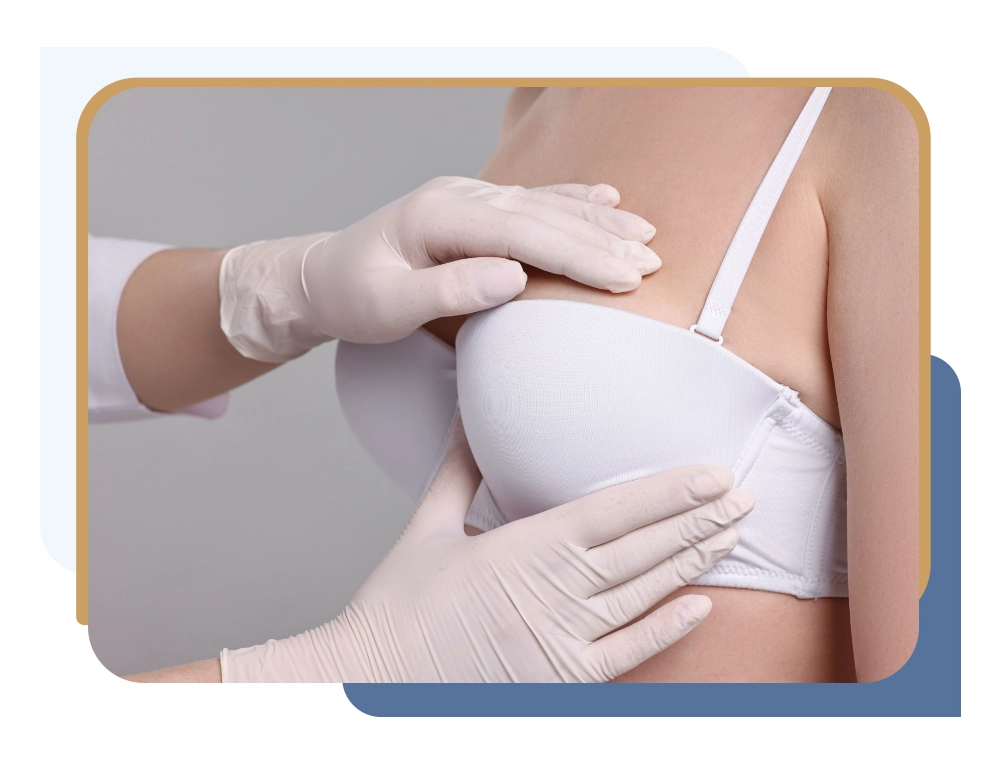
Large breasts cause real, daily discomfort. Chronic back pain, deep bra strap grooves, skin rashes, and trouble staying active are all common complaints. Traditional breast reduction surgery can provide lasting relief, but what about scarless liposuction for breasts?
In this guide, we’ll compare liposuction breast reduction vs traditional breast reduction in terms of candidacy, results, recovery, risks, scarring, and more.
Comparing Liposuction Breast Reduction vs Traditional Breast Reduction
| Liposuction (“Scarless”) Breast Reduction | Traditional Breast Reduction | |
| What is removed | Fat only | Fat, glandular tissue, and excess skin |
| Lift effect | Little to none; some natural retraction possible | Significant lift and reshape included |
| Best size reduction | Modest (typically 1–2 cup sizes depending on fat/glandular makeup of the breast) | Significant (2–4+ cup sizes) |
| Scarring | Minimal: small entry points, easily hidden | More visible: anchor or lollipop scar pattern |
| Surgery time | Shorter, often 1–2 hours | 2–4 hours |
| Return to work | 3–5 days | ~1 week |
| Return to exercise | Around 1 week | 2–4 weeks |
| Anesthesia | IV sedation or general anesthesia | General anesthesia |
| Best candidate | Older patients with fatty breast tissue; modest size goals | Dense breasts; significant sagging; larger reductions |
| Breastfeeding impact | Low; glandular tissue is preserved | May affect ability to breastfeed |
| Insurance coverage | Not covered (classified as cosmetic) | Covered if medically necessary |
| How common | Less than 5% of all breast reductions | More than 90% of all breast reductions |
What Is Liposuction “Scarless” Breast Reduction?
Liposuction breast reduction uses thin, hollow tubes to suction fat out of the breast. The surgeon makes one or two tiny entry points, usually near the armpit or just under the breast fold. No skin is removed. The breast is not cut open, and the tissue is not reshaped.
After fat is removed, the skin shrinks and retracts on its own over the following months. The term “scarless” is used loosely. Small marks are left at the entry points, but they are minor and easy to hide. For many patients, they become barely visible within a year.
What Is Traditional Breast Reduction?
During a traditional breast reduction, the surgeon removes fat, glandular tissue, and excess skin. The remaining breast tissue is reshaped and lifted, and the nipple is often repositioned to a higher, more natural location.
There are two main incision patterns:
- Lollipop (Vertical): An incision around the areola and a vertical line down the lower breast. Used for moderate reductions.
- Anchor (inverted T): Adds a horizontal incision along the breast crease. Used when more tissue needs to come out.
Both leave scars, but they are positioned so that a bra or swimsuit covers them well. Scars fade significantly over 12–18 months.
Who Is a Good Candidate for Each Approach?
The right procedure depends on your breast composition, how much size reduction you want, and whether you also need a lift.
Liposuction breast reduction may be a good fit if you:
- Have breasts that are primarily made of fat, not dense tissue
- Want a modest reduction of one cup size
- Are over 40 (breast tissue tends to become fattier with age)
- Do not have significant sagging or drooping
- Want minimal scarring and a faster recovery
- Are prepared to pay out of pocket, as insurance does not cover it
Traditional breast reduction may be a better fit if you:
- Have dense, glandular breast tissue
- Need a larger reduction of two or more cup sizes
- Have noticeable sagging and want a lift
- Experience physical symptoms such as back pain, skin rashes, or shoulder grooving
- Want to pursue insurance coverage for the procedure
- Are comfortable with visible scars that fade over time
One important limitation: liposuction results are not fully predictable in advance, as the amount of fat removed depends on how much of the breast is actually fatty tissue. Younger patients and those with lower body weight tend to have denser, more glandular breasts, which raises the risk of a smaller-than-expected result. Patients who need a reliable, significant reduction are almost always better served by the traditional approach.
What Results Can You Expect?
Both procedures reduce breast size, but the type of change is very different.
Liposuction breast reduction typically reduces size by one to two cup sizes. An outcome study of over 350 patients found that 80% were very or completely satisfied with their results, and 87% said they would choose the same method again. Some patients also notice a modest natural lift as the skin retracts over time. Final results take 3–6 months to fully appear.
Traditional breast reduction produces more substantial changes. Patients commonly go down two to four or more cup sizes. The breast lift is significant and visible right away. The breast is reshaped into a more proportionate, rounded contour. More than 95% of traditional breast reduction patients report satisfaction with their outcomes.
Neither procedure is permanent if major weight changes occur later, as weight gain or loss can affect breast size with either method.
Insurance Coverage, Out-of-Network Benefits, and the No Surprises Act
This is one of the most important practical differences between the two procedures.
Liposuction Breast Reduction Is Not Covered by Insurance
Liposuction breast reduction is classified as a cosmetic procedure by insurance companies. It is not considered medically necessary because it cannot lift the breast, remove excess skin, or address the glandular tissue linked to physical symptoms. As a result, it is paid entirely out of pocket.
The average cost of breast liposuction is $4,597, but this figure includes only the surgeon’s fee and doesn’t include anesthesia, the surgical facility, or other related expenses. Pricing also varies dramatically depending on your location and the surgeon’s expertise.
Traditional Breast Reduction May Be Covered
When performed to relieve documented physical symptoms, breast reduction surgery is classified as medically necessary and eligible under most major health plans.
Common qualifying symptoms include:
- Chronic neck, back, or shoulder pain caused by breast weight
- Persistent skin rashes or infections under the breast fold (intertrigo)
- Deep bra strap grooves that do not improve with supportive bras
- Nerve compression causing numbness or tingling in the hands
Insurance companies also require a minimum amount of breast tissue removed per breast. Most use the Schnur Sliding Scale, which sets a threshold for tissue removal based on your body surface area (height and weight). Meeting this threshold is a key part of getting approved.
Out-of-Network (OON) Benefits
If your health plan includes out-of-network benefits, you can often use them for traditional breast reduction at a practice that is not in your plan’s network. OON benefits allow you to see the surgeon of your choice (expanding your options to potentially more experienced or conveniently located surgeons) while still receiving partial reimbursement.
The No Surprises Act: Your Protection Against Unexpected Bills
If your breast reduction surgery takes place in a hospital or accredited outpatient surgical facility, the No Surprises Act provides important financial protections. This federal law prevents surprise billing when an out-of-network provider treats you inside an in-network facility.
So, if your surgeon is out of network but the surgery is performed at an in-network hospital or facility, you pay the in-network cost-sharing amount (your standard copay, coinsurance, and deductible) not a higher out-of-network rate. This protection can result in significant savings.
At Harris Plastic Surgery, our administrative team handles all aspects of insurance coverage so you can focus on your care without worrying about unexpected costs.
Questions to Ask Your Surgeon Before You Decide
A consultation with a board-certified plastic surgeon is the only way to know which option is right for your body and goals. These questions will help you get the most out of that appointment:
- Based on my breast composition, am I a better candidate for liposuction breast reduction?
- How much size reduction can I expect from each approach?
- Do I have enough skin laxity or sagging to need a breast lift?
- Which incision type would you recommend for me, and why?
- What will my scar typically look like at one year and at five years?
- What is your experience and approval rate with insurance-covered breast reductions?
- How many grams of tissue do you estimate removing per breast, and does that meet my insurer’s threshold?
- Does your office manage the insurance pre-authorization process and appeals?
- If I choose liposuction and the result is smaller than expected, what are my next options?
- When can I return to work, exercise, and normal daily activities?
Schedule Your Consultation Today
When it comes to liposuction breast reduction vs traditional breast reduction, both procedures can help you feel more comfortable in your body. The right choice depends on your anatomy, your goals, and your financial situation. An experienced plastic surgeon can help you understand your options and move forward with the most suitable procedure.
Dr. Stephen Harris is a board-certified plastic surgeon with over 30 years of experience performing breast reduction procedures on Long Island. His team helps patients navigate every step of the process, from surgical planning to insurance pre-authorization and appeals.
If you’re ready to take the next step, contact Harris Plastic Surgery today to schedule your consultation. You can also reach us by phone/text.

Stephen U. Harris, MD FACS
Dr. Stephen U. Harris is a board-certified plastic surgeon and recognized expert in breast reduction and reconstruction surgeries, having performed thousands in his career. When it comes to patient care, his philosophy is that every surgery should improve his patient’s overall quality of life, not just their appearance. Dr. Harris stays up-to-date on all the latest advancements in breast augmentation, reconstruction, and reduction and is a recognized innovator in the field. In fact, he was the first surgeon at Good Samaritan Hospital to offer primary prepectoral implant breast reconstruction, as well as secondary prepectoral revision surgery.
Dr. Harris also serves as Chief of Plastic Surgery at Good Samaritan Hospital in West Islip, New York, and is an active staff surgeon (and former Chief of Plastic Surgery) at South Shore University Hospital in Bay Shore, New York.