
RESOURCES
Breast Reduction Cost
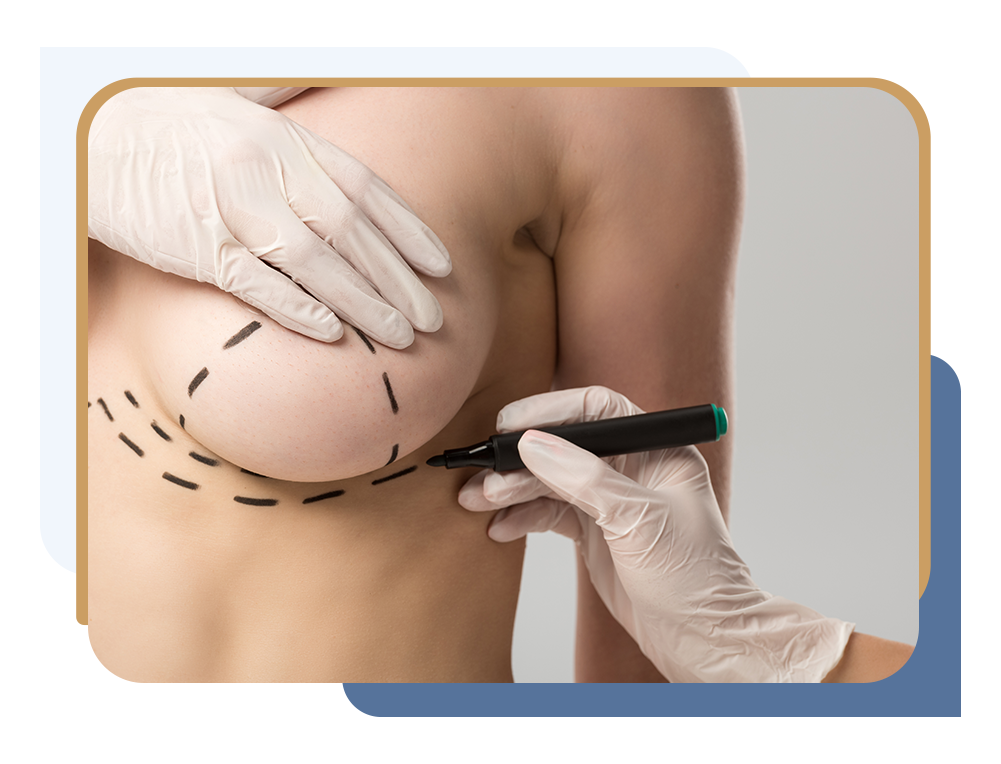
If you’re considering breast reduction surgery, you probably have some questions about the financial side of things.
So, what does breast reduction cost?
The short answer is that it depends; the cost can range anywhere from $11,000 to $18,000+ without insurance. With insurance coverage for a medically necessary case, that number drops to between $500 and $3,000.
In this guide, we’ll cover the average total price, what drives it up or down, how insurance works, and payment options if you’re self-paying.
What Does Breast Reduction Cost Without Insurance?
When you see a fee for breast reduction, it’s important to understand exactly what it includes (and what it doesn’t). Here’s a breakdown of the different cost components typically included:
| Breakdown of Breast Reduction Costs | ||
| Cost Component | What It Covers | Typical Range Without Insurance |
| Surgeon’s Fee | The plastic surgeon’s expertise, time, and skill performing your procedure | $8,000–$10,000 |
| Anesthesia Fee | The anesthesiologist’s services and medications to keep you comfortable during surgery | $1,000–$2,000 |
| Facility Fee | Use of the operating room, equipment, and staff at the surgical center or hospital | $1,500–$4,000 |
| Pre-Surgery Testing | Medical evaluations, lab work, and imaging needed before surgery | $200–$400 |
| Post-Surgery Care | Follow-up appointments, surgical garments, and any supplies you need during recovery | $200–$500 |
| Total Out-of-Pocket (No Insurance) | Complete package when paying without insurance coverage | $11,000–$18,000+ |
Estimates reflect the Long Island/New York metro area. Your actual cost will depend on your location, anatomy, and surgeon.
What Affects Breast Reduction Costs?
The cost of breast reduction surgery can vary dramatically (see table above), and several different factors affect what you pay, including:
Your Location
Where you live makes a difference. Major metropolitan areas like New York City or Los Angeles tend to have higher costs than smaller cities or rural areas. This reflects the higher cost of living and operating expenses in these places.
Your Surgeon’s Experience and Credentials
Board-certified plastic surgeons with years of specialized experience typically charge more than those newer to the field. Why? Because you’re paying for expertise that leads to better outcomes and fewer complications. Think of it as an investment in quality results and peace of mind.
Surgical Complexity
Every patient’s body is different. If you need more extensive tissue removal or have unique anatomical considerations, the surgery may take longer and require more specialized techniques. More complex procedures naturally cost more because they require additional time and skill.
Type of Facility
Hospital-based operating rooms usually cost more than outpatient surgical centers or private clinics. However, hospitals may be preferred for certain patients or more complex cases. Your surgeon will recommend the best setting for your specific situation.
Insurance Coverage Status
This is almost always the biggest factor. If your insurance company determines your breast reduction is medically necessary, your out-of-pocket costs could drop dramatically. We’ll talk more about this below.
How Insurance Coverage Works for Breast Reduction
Many people assume breast reduction is cosmetic and won’t be covered by insurance, but that’s not true. When large breasts cause physical problems, insurance often considers the procedure medically necessary.
What Qualifies as Medically Necessary?
Insurance companies look for documented health issues directly caused by large breasts. These commonly include:
- Chronic back, neck, or shoulder pain that hasn’t improved with other treatments
- Deep grooves in your shoulders from bra straps
- Skin irritation or infections under the breasts
- Numbness or tingling in your hands or arms
- Difficulty exercising or performing daily activities
- Headaches related to poor posture from breast weight
Your insurance company will want to see medical records showing you’ve tried conservative treatments like physical therapy, pain medications, or supportive bras without lasting relief.
Understanding the Schnur Scale
Many insurance companies use the Schnur Sliding Scale to determine coverage eligibility. This tool calculates the minimum amount of tissue that needs to be removed based on your body surface area. Your surgeon can help you understand whether you meet these criteria.
Documentation Required for Approval
Getting insurance approval requires detailed documentation from your doctor and your plastic surgeon. This includes:
- Medical history showing ongoing symptoms
- Photos documenting your condition
- Notes from your primary care doctor or other specialists
- Calculations showing expected tissue removal
Working with a practice that regularly handles insurance approvals, like Harris Plastic Surgery, makes this process much smoother. We know exactly what documentation to provide and how to present your case effectively.
What Does Breast Reduction Cost With Insurance Coverage?
Even with insurance approval, you’ll likely have some out-of-pocket expenses. These typically include your deductible, copay, and coinsurance. For many patients, this reduces costs to a few thousand dollars instead of the full procedure price.
| How Insurance Coverage Affects Breast Reduction Costs | ||
| Insurance Scenario | What You Can Expect to Pay | Key Considerations |
| Fully Approved, In-Network | $500–$2,000 (deductible, copay, and/or coinsurance) | Lowest out-of-pocket cost; surgeon must be in your network |
| Fully Approved, Out-of-Network (Protected Under the No Surprises Act) | Generally the same in-network deductible, copay, and/or coinsurance as an in-network procedure | Federal No Surprises Act protections mean you generally cannot be charged more than your in-network cost-sharing amount. |
| Partially Approved | $3,000–$6,000 | Insurance covers some costs; you pay the balance |
| Not Covered (Cosmetic) | $11,000–$18,000+ | Full cost responsibility; financing options may be available |
What to Do If You’re Denied
An insurance denial is not the final word. You have the right to appeal with additional documentation and supporting evidence. Many denials are overturned on appeal, especially when a knowledgeable surgeon or insurance advocate helps build the case. Practices experienced in this process know exactly what documentation insurers want to see.
Out-of-Pocket Costs and Financing Options
Whether you’re paying with partial insurance coverage or fully self-pay, you have several options for managing costs.
When Insurance Covers Part of It
When your surgery is approved as medically necessary, your out-of-pocket costs typically include:
- Deductible: $500–$3,000, depending on your plan
- Copays: $50–$100 per office visit
- Coinsurance: usually 10–20% of covered costs
If you’ve already met your annual deductible before surgery, you may owe only the copay and coinsurance amounts.
The No Surprises Act and Out-of-Network Surgeons
You are not limited to an in-network surgeon, even if your insurance covers the procedure. Many plans reimburse a significant portion of medically necessary surgeries through your plan’s out-of-network benefits, regardless of network status.
The No Surprises Act, enacted in 2022, adds additional protection: if your surgery is performed at an in-network hospital or surgical center, your cost is capped at your standard in-network cost-sharing amounts, even if your surgeon is technically out of network. This protection applies to your co-pay, deductible, and coinsurance limits.
Financing Options for Self-Pay Patients
If insurance does not cover your surgery, two pathways make the cost more manageable:
Medical Credit Cards
Medical credit cards function similarly to regular credit cards but are typically restricted to a specific network of healthcare providers. Many cards offer “no-interest” promotional periods (typically from six to 24 months) if the balance is paid in full by the end of that period.
Health Savings Accounts (HSAs) and Flexible Spending Accounts (FSAs)
If you have an HSA or FSA through your employer, you can use these pre-tax dollars to pay for breast reduction surgery. This effectively gives you a discount equal to your tax bracket.
Making the Decision That’s Right for You
The only way to understand your specific breast reduction cost is to schedule a consultation with an experienced plastic surgeon. They can evaluate your specific situation, discuss your insurance coverage, and provide an accurate cost estimate tailored to your needs.
At Harris Plastic Surgery, we guide patients through every step of the financial process. From initial insurance verification to final billing, our team helps you understand your options and make informed decisions. We work with NYSHIP Empire Plan, BCBS, Aetna, and many other insurance providers to maximize your coverage.
Ready to learn more about breast reduction costs and explore your options? Contact Harris Plastic Surgery to schedule your consultation with Dr. Harris. You can also reach us by phone/text.
Breast Reduction Cost FAQs
How much does breast reduction cost on average in 2026?
The national average total cost is approximately $9,002, with a range of $7,995–$12,850, according to CareCredit. In the New York metro area, total costs without insurance typically run $11,000–$18,000+. With insurance approval for a medically necessary case, most patients pay $500–$3,000 out of pocket.
Does insurance cover breast reduction surgery?
Yes, often. Most major insurers, including BCBS, NYSHIP, Aetna, Cigna, and UnitedHealthcare, cover breast reduction when it is deemed medically necessary. Coverage is not automatic: you need documented symptoms, proof that conservative treatments didn’t work, and a preauthorization submitted by your surgeon. Many patients who expect to be denied are surprised to find they qualify.
What is the most cost-effective way to get a breast reduction?
The most cost-effective path is insurance coverage for a medically necessary case. If you don’t qualify, using HSA or FSA funds alongside a promotional 0% financing plan can significantly reduce your upfront burden. Choosing an experienced surgeon the first time also reduces the risk of revision surgery, which would otherwise add cost.
Why do New York breast reduction costs run higher than the national average?
New York-area surgeons and facilities incur higher overhead costs: real estate, staffing, malpractice insurance, and accreditation all contribute. An experienced surgeon in an accredited facility also protects your health and outcomes in ways that matter far beyond the initial price.
Can I use my HSA or FSA to pay for breast reduction?
Yes, if the procedure is medically necessary. When documented as such, HSA and FSA funds can cover your surgeon’s fee, anesthesia, facility costs, and post-op garments. Your surgeon’s office can help with the documentation needed to confirm eligibility.
