

Losing 100 pounds or more through bariatric surgery is an incredible achievement. You’ve worked hard, followed medical guidance, and watched the scale drop dramatically. But many weight loss patients face an unexpected challenge: loose, sagging skin that no amount of exercise can tighten. Here’s how a body lift after bariatric surgery on Long Island can help complete your transformation.
How a Body Lift Helps Remove Excess Skin and Improve Comfort
After bariatric surgery, you may have what doctors call a “pannus,” a large apron of skin that hangs from your abdomen. You might also have sagging skin on your:
- Lower back
- Buttocks
- Outer thighs
- Groin area
- Upper thighs
A body lift addresses all these areas in one comprehensive surgery. Your surgeon removes the excess tissue that diet and exercise simply can’t fix.
Reducing Physical Discomfort
Excess skin isn’t just a cosmetic issue. Many patients experience real physical problems, including:
- Skin chafing and rashes from skin folds rubbing together
- Hygiene difficulties in hard-to-clean areas
- Back pain from carrying extra weight
- Difficulty finding clothes that fit properly
- Skin infections in moist fold areas
By removing this excess tissue, a body lift can eliminate these daily discomforts.
Body Lift Procedure Options
Body lift surgery is highly customizable. Your surgeon will recommend the best approach based on where you have the most excess skin.
| Procedure Type | Target Areas | Best For |
| Lower Body Lift | Abdomen, waist, buttocks, outer thighs, groin | Most common after bariatric surgery; addresses areas where skin hangs most |
| Upper Body Lift | Chest, breasts, arms, upper back | Patients with sagging in upper body areas |
| Circumferential Body Lift | Full torso, 360-degree approach | Comprehensive reshaping of entire midsection |
| Belt Lipectomy | Similar to lower body lift with more aggressive contouring | Patients needing extensive reshaping |
| Staged Procedures | Front and back or torso and thighs done separately | Safer option for some patients; allows recovery between surgeries |
Many patients combine their body lift with other procedures, such as arm lifts, thigh lifts, or breast lifts, to address all areas of concern.
Are You a Good Candidate for a Body Lift?
Not everyone who has bariatric surgery needs (or wants) body contouring. You’re likely a good candidate if you:
- Have maintained a stable weight for at least 6-12 months
- Have a BMI under 30
- Don’t smoke, or are willing to quit well before (1-2 months) surgery
- Are in good overall health with no major medical conditions
- Have realistic expectations about scarring and results
- Are finished having children (if applicable)
- Have excess, sagging skin that causes physical or emotional distress
During your consultation, your plastic surgeon will evaluate your medical history, examine the areas of concern, and determine whether you’re ready for surgery. If your BMI is still high, your surgeon may recommend additional weight loss first.
Body Lift Recovery Timeline: What to Expect
A body lift is a significant procedure, and your body needs time to heal properly. Recovery looks different in each patient, but here’s an idea of what you can expect.
First 1-2 Weeks
- Swelling, bruising, and discomfort are normal
- You may have surgical drains for 1-2 weeks to collect excess fluid
- You’ll need to wear a compression garment to support healing and reduce swelling
- Walking after surgery helps prevent blood clots, though you’ll need to move carefully
- Take 1-2 weeks off work, depending on your job
Weeks 3-8
- Gradual return to normal activities (light daily tasks and desk work are usually fine)
- Drains are removed once fluid output decreases
- Swelling begins to improve, though some puffiness remains
- Avoid strenuous exercise and heavy lifting for at least 4-6 weeks
Months 3-6
- Swelling fully resolves
- You can return to full exercise once cleared by your surgeon
- Scars continue to fade and soften
- Your final shape becomes more apparent
Long-Term Results
Body lift results are both immediate and evolving. Right after surgery, you’ll notice that the bulk of excess skin is gone. However, your final shape may take up to two years to emerge as swelling resolves and tissues settle. You can expect:
- Smoother, tighter contours across your abdomen, waist, and lower body
- Better clothing fit without excess fabric bunching or special accommodations
- Improved hygiene and elimination of rash-prone areas
- More proportionate silhouette that reflects your weight loss
A body lift doesn’t dramatically change your weight. While you’ll lose some pounds from removed tissue, the goal is shape and comfort, not a lower number on the scale.
Understanding Scarring After Body Lift Surgery
Because a body lift removes large amounts of skin, incisions are extensive and scarring is inevitable. However, your surgeon strategically places these incisions where scars can be hidden by most clothing and swimwear.
Typical scar placement:
- Around the lower torso, similar to a low-riding belt
- Often hidden beneath underwear or a bathing suit bottom
- May extend around to the back
Scar management tips:
- Use silicone sheeting or scar gel once incisions are fully healed
- Massage scars as directed by your surgeon to help them soften
- Protect scars from sun exposure for at least a year
- Be patient, as scars fade significantly over 12-18 months
Most patients find that the trade-off is worth it. The improved body contour and relief from excess skin outweigh the presence of scars.
Risks and Complications
The procedures performed as part of a body lift are highly safe, especially when performed by an experienced plastic surgeon. That said, any major surgery carries risks. During your consultation, your surgeon will explain the risks of body lift after bariatric surgery on Long Island, which potentially include:
- Temporary bleeding or minor infection at incision sites
- Wound healing issues, especially in smokers or diabetics
- Seroma (fluid accumulation under the skin)
- Changes in skin sensation, including temporary numbness
In extremely rare instances, patients may have reactions to anesthesia or experience serious complications like blood clots. Raise any concerns or questions you have with your surgeon during your consultation.
Why Long Island Patients Choose Local Surgeons
If you live on Long Island, having your body lift performed locally offers several important advantages:
Easier Consultation and Follow-Up Visits
Body lift recovery requires multiple follow-up appointments. You’ll need to see your surgeon frequently in the first few weeks to monitor healing, remove drains, and address any concerns. Choosing a Long Island surgeon means less travel when you’re still recovering.
Immediate Access If Concerns Arise
While complications are rare, having your surgeon nearby provides peace of mind. If you notice unusual swelling, signs of infection, or other issues, you can get in quickly for evaluation.
Local Surgical Facilities
Many Long Island plastic surgeons perform body lifts in accredited surgical suites or nearby hospitals. This eliminates the stress of long-distance travel immediately before or after major surgery.
What Does a Body Lift After Bariatric Surgery on Long Island Cost?
It’s difficult to estimate the cost of a body lift because it varies dramatically depending on which procedures are included. According to CareCredit, the national average cost for a lower body lift is $19,392, but it can range between $15,000 and $34,500+. Your surgeon will be able to provide you with an accurate estimate based on your anatomy and the specific procedures included.
Will Insurance Cover My Body Lift?
Most insurance companies consider body lift surgery cosmetic and don’t cover the procedure. If excess skin causes chronic rashes, infections, or sores, some insurers may cover part of the procedure, but the coverage criteria are strict. If this may be an option for you, your surgeon’s office will help you document your medical issues and submit for pre-authorization.
Ready to Complete Your Weight Loss Transformation?
A body lift after bariatric surgery on Long Island can help you finally enjoy the body you’ve worked so hard to achieve. The procedure removes excess skin, improves comfort, and refines your contours so you can feel confident in your new shape.
If you’re on Long Island and considering a body lift, choosing a local, experienced plastic surgeon ensures convenient follow-up care and access to immediate support throughout your recovery.
Schedule a consultation with Harris Plastic Surgery to discuss whether a body lift is right for you and explore your options for completing your weight loss journey. You can also contact us by phone/text.
FAQs
Yes, many patients combine body lifts with arm lifts, thigh lifts, or breast procedures. As always, safety is the priority. Your surgeon will evaluate whether combining procedures is safe based on the length of surgery, your overall health, and surgical complexity. Some patients do staged procedures, addressing different areas in separate surgeries spaced months apart.
Look for a board-certified plastic surgeon with specific experience in post-bariatric body contouring. Ask to see before-and-after photos of patients with similar body types. Don’t choose based on price alone; experience and surgical skill matter enormously in complex procedures like body lifts.
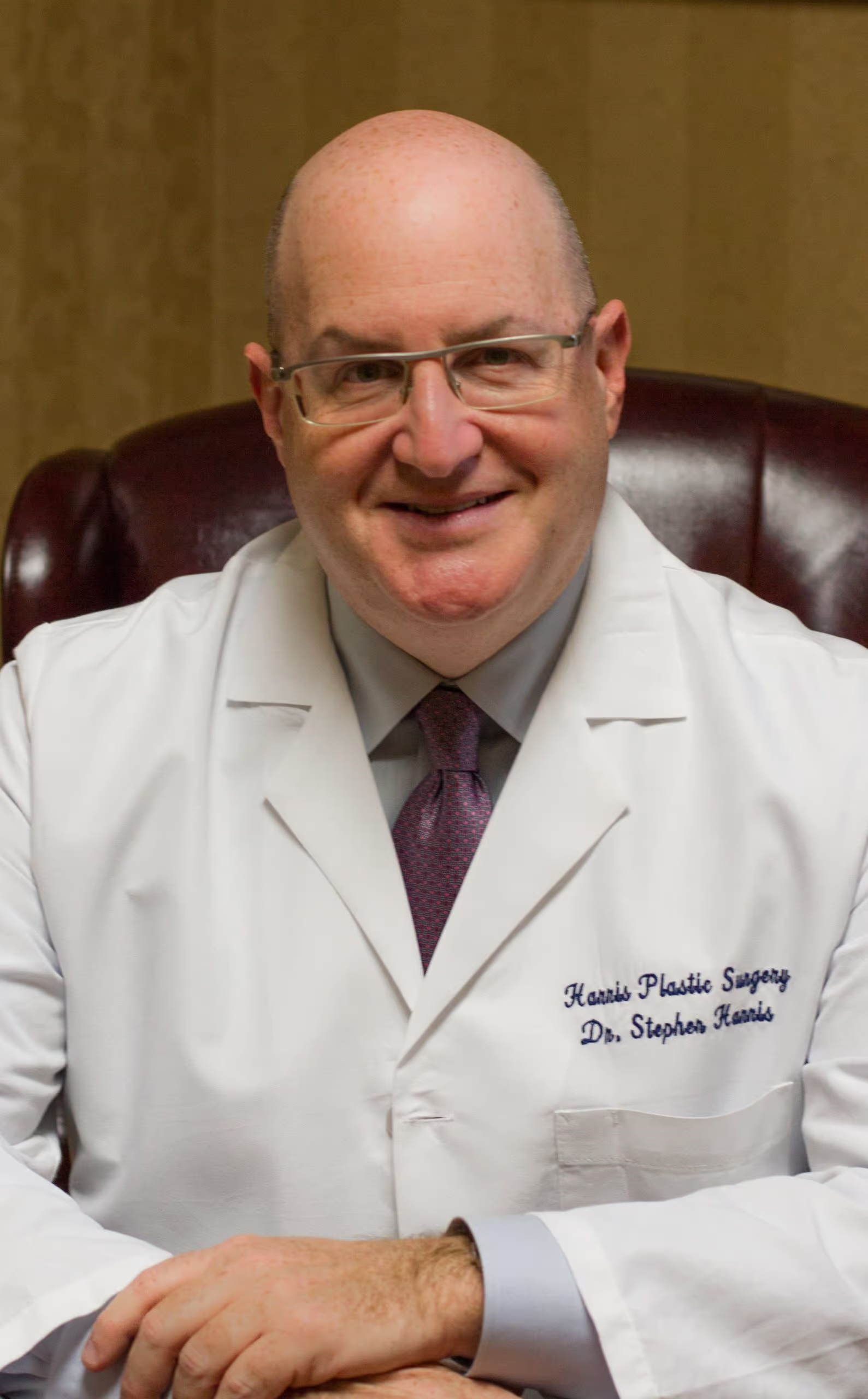
Stephen U. Harris, MD FACS
Dr. Stephen U. Harris is a board-certified plastic surgeon and recognized expert in breast reduction and reconstruction surgeries, having performed thousands in his career. When it comes to patient care, his philosophy is that every surgery should improve his patient’s overall quality of life, not just their appearance. Dr. Harris stays up-to-date on all the latest advancements in breast augmentation, reconstruction, and reduction and is a recognized innovator in the field. In fact, he was the first surgeon at Good Samaritan Hospital to offer primary prepectoral implant breast reconstruction, as well as secondary prepectoral revision surgery.
Dr. Harris also serves as Chief of Plastic Surgery at Good Samaritan Hospital in West Islip, New York, and is an active staff surgeon (and former Chief of Plastic Surgery) at South Shore University Hospital in Bay Shore, New York.